If you sell physical products in the EU, your passport is coming
ESPR covers almost every physical product, rolled out group by group. Batteries go first, then steel, textiles, aluminium and tyres. Pick your category to see where you stand.
Detailed guides for the first groups in scope
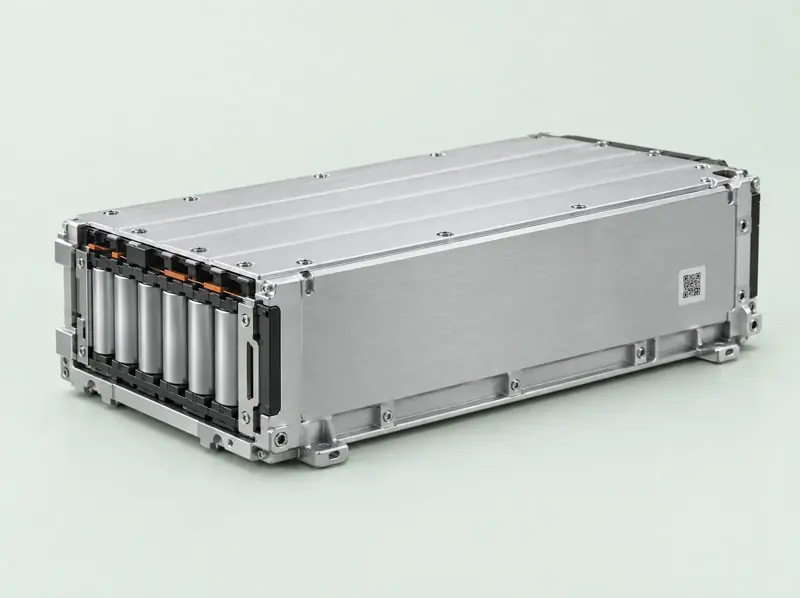
Batteries
EV, LMT and industrial batteries over 2 kWh. Carbon footprint, recycled content, due diligence and state of health.
Battery passport guide
Textiles & apparel
Fibre to garment data across four supplier tiers, plus the unsold goods destruction ban that already applies.
Textile passport guide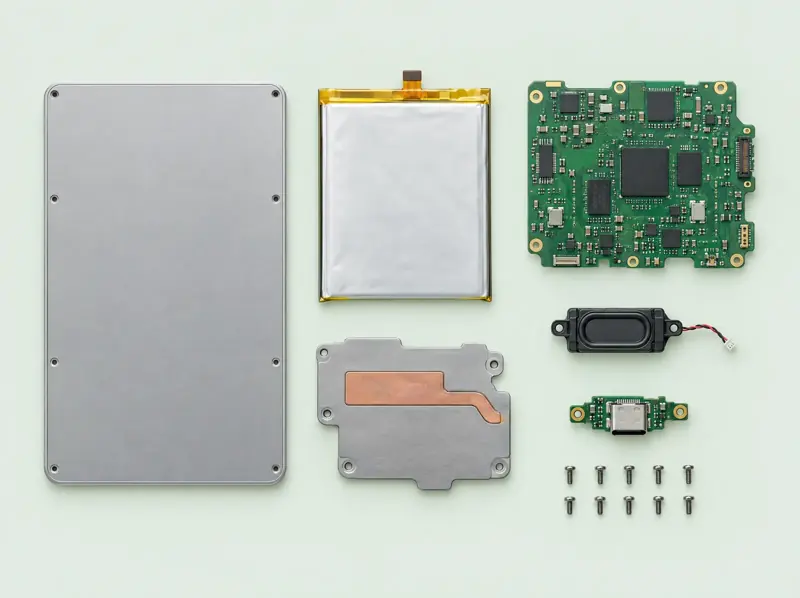
Electronics
Repairability, spare parts, replaceable batteries and component-level data for devices.
Electronics guideSteel, furniture, tyres and the rest of the plan
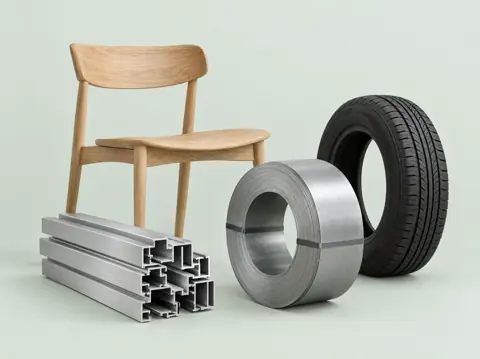
First material act in the ESPR working plan.
Recycled content and production route data.
Durability, materials and end-of-life information.
Materials, repairability and disassembly.
Materials, substances and recyclability.
Cement and binders first under the CPR.
Passport and customs declaration for imports.
A passport replaces the declaration of conformity.
Different jobs in the same supply chain
The economic operator placing a product on the EU market owns the passport. Everyone upstream and downstream has a part in it.
Brands & manufacturers
You're responsible for the passport. You need data from suppliers and a way to keep it valid for the product's life.
Importers & distributors
When the manufacturer is outside the EU, the obligation lands with you, including what customs checks at the border.
Suppliers & component makers
Your customers will all ask for the same data. Publish it once, in a standard format, with your access rules.
Retailers, repairers & recyclers
You use passport data to sell, fix and recover products, and need reliable access to the right views.
ESPR will reach almost every physical product
Tell us what you make and we'll show you where it sits in the plan.